Introduction to Water Reclaim Systems
In an era where water scarcity is becoming increasingly critical, the implementation of effective water reclaim systems is essential for both industrial and municipal sectors. These systems not only enhance the sustainability of water resources but also play a pivotal role in reducing operational costs. A water reclaim system captures, processes, and reuses wastewater, transforming it into a valuable resource rather than a waste product. By utilizing advanced technologies and processes, such as those found in containerized reclaimed water systems, organizations can achieve significant water savings and contribute to their sustainability goals. For a deeper understanding of the efficiencies these systems offer, consider exploring our Water Reclaim System, which delivers compact and efficient solutions tailored to various needs.
What is a Water Reclaim System?
A water reclaim system is a sophisticated technology designed to treat and recycle wastewater, enabling its reuse for various applications. These systems are particularly important in regions facing water shortages as they allow for the sustainable management of water resources. By integrating advanced treatment processes, a water reclaim system can effectively convert municipal and industrial effluent into high-quality reusable water. This water can be utilized for non-potable purposes such as irrigation, industrial processes, and even cooling in large facilities.
Importance of Sustainable Water Management
The need for sustainable water management is highlighted by increasing global water demand and climate change impacts. Effective management not only conserves existing water resources but also ensures compliance with regulatory standards. The adoption of water reclaim systems supports industries and municipalities in reducing their environmental footprint, lowering treatment costs, and preserving local water ecosystems. Sustainable practices lead to enhanced community relations and promote a circular economy where water is treated as a valuable resource rather than waste.
Overview of Containerized Solutions
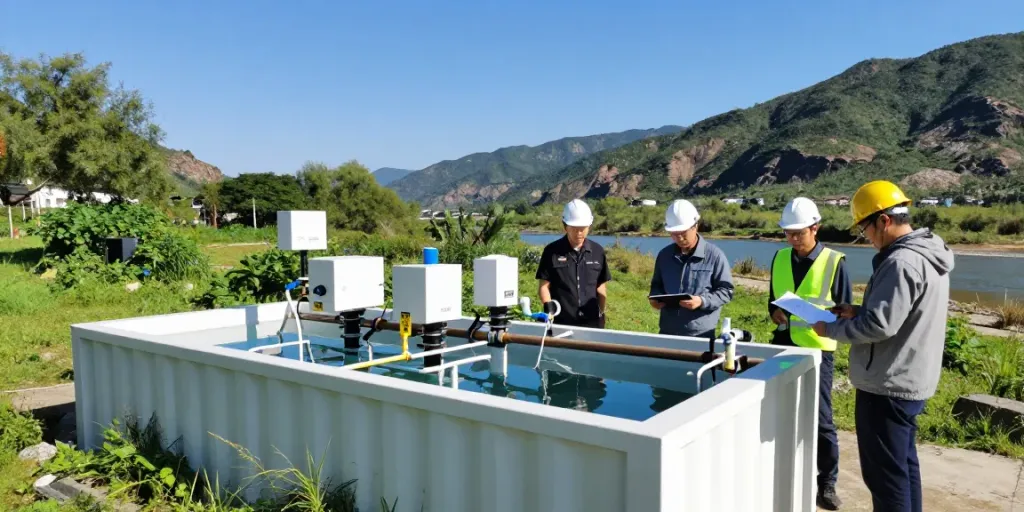
Containerized reclaimed water systems offer a revolutionary approach to managing water resources. These pre-engineered units are designed for rapid deployment and can be easily transported to remote locations or facilities with limited infrastructure. By using a containerized solution, organizations can quickly implement a water reclaim system that is both efficient and effective, adapting seamlessly to diverse operational needs. Containerized systems also promote flexibility in managing varied water qualities, making them ideal for different environments and applications.
Key Technologies in Water Reclamation
Understanding the technologies that power water reclaim systems is crucial for effective implementation. The following key technologies are essential in ensuring successful water treatment and reuse:
Membrane Bioreactors (MBR)
Membrane Bioreactors (MBR) combine biological treatment and membrane filtration to achieve high-quality effluent. MBR systems are capable of removing contaminants such as suspended solids and microorganisms while providing a compact treatment solution. They are particularly beneficial in areas where land is scarce or where high-quality effluent is required for specific applications.
Ultrafiltration (UF) Techniques
Ultrafiltration (UF) is a membrane filtration process that removes particles between 0.01 and 0.1 microns, including bacteria and larger viruses. UF enhances the quality of reclaimed water, making it suitable for various non-potable uses. This technology is often used as a pretreatment step before reverse osmosis, further enhancing the efficiency of water reclaim systems.
Reverse Osmosis (RO) Process
Reverse Osmosis (RO) is a critical technology in water reclaim systems for achieving the highest standards of water purity. By applying pressure to force water through a semi-permeable membrane, RO effectively removes a wide range of contaminants, including salts, heavy metals, and other dissolved solids. This process is essential for producing water that can be reused in industrial operations or, depending on regulations, even for potable purposes.
Applications of Containerized Reclaimed Water Systems
Containerized reclaimed water systems are versatile and can be utilized across various sectors, making them an invaluable asset for sustainable water management. Here are some prominent applications:
Municipal Water Reuse Strategies
In urban settings, municipalities can employ containerized systems for recycling wastewater, thus reducing the demand on freshwater sources. These systems can be strategically located to treat effluent from residential, commercial, and industrial sources. The reclaimed water can be utilized for irrigation in parks, landscaping, and sports fields, contributing to urban sustainability initiatives.
Industrial Recycling Techniques
Industries often consume large quantities of water, making them prime candidates for water reclaim systems. By recycling process water, companies can significantly cut costs and reduce their environmental impact. Containerized systems can be customized to meet the specific needs of different industries, such as manufacturing, food processing, and chemical production, allowing for efficient and compliant operations.
Remote Facility Implementations
Containerized reclaimed water systems are especially beneficial for remote facilities, such as mining operations or temporary construction sites, where access to fresh water may be limited. These systems can be deployed quickly, ensuring that water needs are met without over-reliance on local water supplies. This ensures operational continuity while adhering to environmental regulations.
Benefits of Implementing Water Reclaim Systems
The adoption of a water reclaim system presents numerous benefits that extend beyond mere water savings:
Cost-Effectiveness & Resource Conservation
One of the primary advantages of implementing water reclaim systems is the reduction in overall water costs. Organizations can significantly lower their usage of municipal water and decrease wastewater discharge fees. This not only conserves precious resources but also results in long-term financial savings. Moreover, as freshwater becomes more scarce and expensive, investing in a water reclaim system becomes increasingly economical.
Environmental Impact and Sustainability Goals
Implementing water reclaim systems aligns with broader sustainability goals. By reducing water consumption and maximizing the reuse of effluent, organizations contribute to environmental conservation efforts. This reduces the pressure on local water bodies and supports biodiversity by maintaining ecosystem balances. As consumers and regulatory bodies become more environmentally conscious, businesses implementing sustainable practices may gain a competitive advantage.
Operational Flexibility and Rapid Deployment
Containerized systems are designed for operational flexibility, allowing organizations to adapt to changing water demands. The ease of deployment means that businesses can quickly respond to emergencies or increases in water needs without significant infrastructure investments. This flexibility is particularly valuable in dynamic industries or in response to climate variability.
Future Trends and Innovations in Water Reclamation
The field of water reclamation is continually evolving, with new technologies and practices emerging to enhance efficiency and effectiveness. Here are some future trends and innovations to watch:
Emerging Technologies for 2026 and Beyond
As we look toward 2026 and beyond, innovations such as artificial intelligence and machine learning are expected to revolutionize water management practices. These technologies can optimize the operation of water reclaim systems, improving efficiency and reducing downtime through predictive maintenance. Furthermore, advancements in nanotechnology may lead to the development of more effective filtration systems, enhancing water purity and expanding the range of applications for reclaimed water.
Best Practices for Implementation
Organizations looking to implement a water reclaim system should adhere to best practices, such as conducting comprehensive feasibility studies and selecting appropriate technologies based on their specific needs. Collaboration with experts in water management can also facilitate effective implementation, ensuring systems are designed to meet operational goals and regulatory requirements.
Case Studies: Success Stories in Water Management
Real-world examples of successful water reclaim system implementations highlight the tangible benefits of these technologies. For instance, several municipalities have reported significant reductions in water purchase costs and improved water quality for irrigation purposes after adopting containerized reclaimed water systems. These success stories not only underscore the operational benefits but also serve as models for best practices in sustainable water management.
What is a water reclaim system?
A water reclaim system refers to a technology that captures and treats wastewater, allowing it to be reused for various applications, thereby conserving fresh water resources.
Is reclaimed water cheaper than regular water?
Generally, reclaimed water is less expensive than municipal water due to reduced demand for fresh water and lower treatment costs associated with reuse.
How much does a water recycling system cost?
The cost of a water recycling system can vary widely based on factors such as capacity, technology used, and installation requirements. It is essential to conduct a detailed analysis to determine specific costs relevant to a project's scope.
How to build a water reclamation system?
Building a water reclamation system involves assessing water needs, selecting appropriate technologies, and designing the system layout. Collaboration with experienced professionals can lead to more effective designs adapted to meet local conditions and regulations.
What are the benefits of using containerized systems?
Containerized systems offer rapid deployment, flexibility, and cost savings, making them ideal for various applications, including municipal water reuse and industrial processes. Their compact design ensures they can be easily transported and operated in diverse environments.