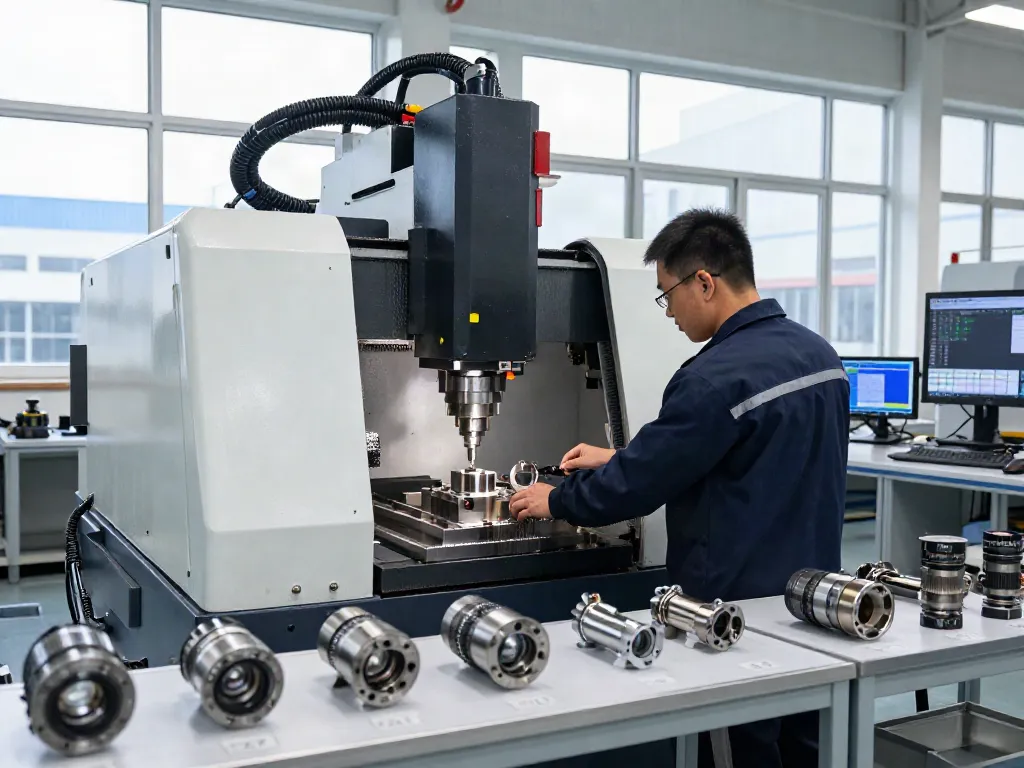
Understanding the amc1 Connector: Features and Benefits
The amc1 connector is a remarkable component in the world of electrical connections, embodying advanced engineering and design that meets the needs of modern electrical applications. This connector streamlines the installation process while maintaining high standards of safety and efficiency. With its robust construction and ease of use, the amc1 connector serves as a reliable choice for both residential and commercial settings. For those interested in exploring quality options, amc1 offers comprehensive insights into its features and availability.
What is an amc1 Connector?
The amc1 connector is designed primarily for use in electrical applications where secure and efficient connections are paramount. This type of connector allows for easy attachment to metal-clad cable systems, simplifying the process of connecting to various electrical junctions and enclosures. The innovative snap-in design sets it apart from traditional connectors, providing a more straightforward installation experience without compromising safety or reliability.
Core Features of amc1 Connectors
Several key features distinguish the amc1 connector from its competitors:
- Snap-In Mechanism: The unique snap-in design eliminates the need for additional components like locknuts, making installation faster and more efficient.
- Insulated Throat: This feature enhances safety by shielding the wire from exposure and ensuring adherence to electrical codes.
- Rugged Construction: Typically made from high-quality steel or similar materials, the amc1 connectors are built to withstand the rigors of industrial and residential environments.
- Compatibility: The connector is designed to work seamlessly with various metal-clad cables, providing versatility in application.
Advantages Over Traditional Connectors
Compared to traditional connectors, the amc1 offers several advantages:
- Improved Installation Speed: With the snap-in design, electricians can save significant time during installation, leading to lower labor costs.
- Enhanced Durability: The materials used in construction ensure that the connector is resistant to wear and tear, prolonging its lifespan.
- Increased Safety: The insulated throat reduces the risk of accidental electrical shock and enhances overall safety during operation.
Common Applications for amc1 Connectors
Residential Wiring Solutions
In residential applications, amc1 connectors are commonly used for connecting flexible conduits and electrical boxes. They are ideal for home builders and electricians looking to streamline their wiring processes. By employing amc1 connectors, residential projects can benefit from reduced installation times and minimized risk of connection failures.
Commercial Electrical Installations
In commercial settings, these connectors are utilized in lighting, HVAC systems, and other electrical installations that require reliable connections. Their ability to ensure secure connections in high-traffic areas makes them indispensable for commercial electricians aiming for efficiency and safety.
Impact in Industrial Settings
The robust design of amc1 connectors allows them to thrive in industrial settings, where durability and performance are critical. They are well-suited for use in manufacturing plants, warehouses, and other environments that demand high-quality electrical components. Their resistance to environmental factors ensures that they can perform reliably even under harsh conditions.
Installation Best Practices for amc1 Connectors
Essential Tools and Equipment for Installation
To install amc1 connectors effectively, certain tools are necessary:
- Wire cutters and strippers
- Insulated screwdrivers
- Voltage tester
- Conduit bender (for custom angles)
Step-by-Step Installation Guide
Follow these steps for a successful installation of your amc1 connectors:
- Ensure that the power supply is turned off before starting the installation.
- Prepare the cable by cutting it to the desired length and stripping the ends to expose the wire.
- Snap the amc1 connector onto the cable, ensuring a secure fit.
- Attach the connector to the electrical box or junction, using a torque screwdriver to achieve the recommended tightness.
- Finally, turn the power back on and test the connection using a voltage tester to confirm security and functionality.
Common Mistakes to Avoid When Using amc1
To maximize the performance of amc1 connectors, avoid the following common mistakes:
- Not ensuring the power is off during installation, which can lead to safety hazards.
- Over-tightening the connectors, which can cause damage to the cable.
- Failing to inspect the connectors for compatibility with the cables being used.
Performance Metrics and Quality Standards
Understanding UL Listings and Compliance
Certification from Underwriters Laboratories (UL) is critical for ensuring that electrical components meet safety standards. The amc1 connector typically possesses UL listings, indicating that it adheres to rigorous testing protocols for safety and performance. This is particularly important for electricians and contractors who want to ensure compliance with local and national electrical codes.
Testing Methods for amc1 Connectors
Various methods are employed to test the performance of amc1 connectors, including:
- Voltage Drop Testing: Measures the voltage loss across the connector when a current flows, ensuring efficiency.
- Pull-Out Tests: Assesses the mechanical strength of the connection under tension.
- Environmental Testing: Evaluates performance in different environmental conditions, such as extreme temperatures and humidity levels.
How to Measure Durability and Reliability
Durability and reliability can be gauged through regular inspections and performance evaluations. Users can look for signs of wear, corrosion, or other issues that may emerge over time, allowing for timely replacements and maintaining safety standards.
Future Trends and Innovations in Electrical Connectors
Emerging Technologies Affecting amc1 Designs
The future of electrical connectors like the amc1 is poised to be influenced by several innovative technologies. Smart connectors with embedded sensing capabilities may allow for real-time monitoring of electrical systems, improving safety and energy efficiency.
Predictions for Connector Efficiency in 2026
As the electrical industry continues to evolve, it is expected that connectors will become more efficient, potentially with improved materials that offer better conductivity and resistance to environmental factors. By 2026, advancements in connector technology could lead to a significant reduction in energy losses associated with electrical connections.
Industry Developments to Watch
Staying informed about industry developments is crucial for installers and electricians. Trends towards sustainability may drive the development of eco-friendly materials for connectors and a greater focus on energy-efficient solutions across various applications.
What applications are best suited for amc1 connectors?
amc1 connectors are particularly well-suited for applications in residential, commercial, and industrial settings, where secure electrical connections are essential.
How do amc1 connectors compare with competitors?
Compared to other connectors, the amc1 offers unique features such as the snap-in installation and insulated throat, making it more user-friendly and safer.
What installation tools do I need for amc1?
Essential tools include wire cutters, insulated screwdrivers, voltage testers, and conduit benders to facilitate an efficient installation process.
Are amc1 connectors compliant with current regulations?
Yes, amc1 connectors typically comply with current UL standards and local electrical codes, providing peace of mind in safety and functionality.
What are the longevity expectations for amc1 connectors?
With proper installation and regular maintenance, amc1 connectors can be expected to last many years, demonstrating high durability under various conditions.