Understanding the Aerospace CNC Machining Landscape
The aerospace industry is one of the most demanding sectors, requiring precision, reliability, and innovation in its manufacturing processes. As the pursuit of high-performance aerospace components intensifies, the role of Computer Numerical Control (CNC) machining becomes crucial. Since 2003, Honscn has positioned itself among the leading aerospace cnc parts manufacturers, offering state-of-the-art machining services tailored for the aerospace sector. This article delves into the essentials of aerospace CNC machining, highlighting the significance of precision parts development and on-demand production.
What Are Aerospace CNC Parts?
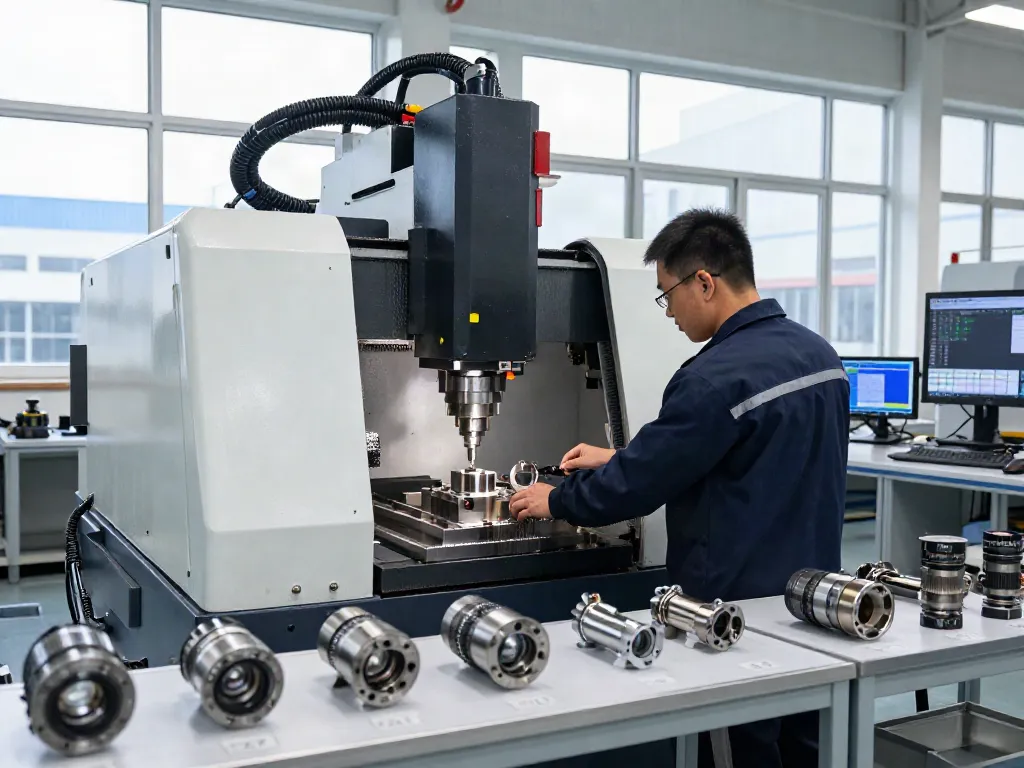
Aerospace CNC parts are components manufactured using CNC machining technology specifically tailored for aircraft and spacecraft. These parts can range from small components, like connectors and fasteners, to large assemblies, such as fuselages and wing structures. The precision required in aerospace parts often involves tolerances within a few microns, necessitating advanced machining techniques.
Main Applications in Aerospace Industry
The applications for aerospace CNC parts are extensive, including:
- Structural Components: Essential for the integrity of aircraft and spacecraft, these parts require rigorous testing and high durability.
- Engine Components: Parts like turbine blades, casings, and other critical engine components must withstand extreme conditions.
- Interior Systems: These include control panels and seating structures that require precise machining for safety and performance.
- Landing Gear: One of the most critical components, needing to be exceptionally strong and reliable.
Key Materials Used in Aerospace CNC Manufacturing
Materials used in aerospace parts must comply with stringent industry regulations. Commonly employed materials include:
- Metal Materials: Titanium, aluminum, stainless steel, and nickel alloys are favored for their strength-to-weight ratios.
- Plastic Materials: Engineering plastics such as PEEK, POM, and nylon are utilized for components requiring lightweight yet durable solutions.
Identifying Leading Aerospace CNC Parts Manufacturers
When searching for reliable aerospace parts manufacturers, certain characteristics differentiate leaders in the field. Quality, innovation, and adherence to industry standards are paramount.
Characteristics of Top Manufacturers
Top aerospace CNC parts manufacturers typically exhibit the following traits:
- Certification: Look for manufacturers with certifications such as AS9100 and ISO 9001, which ensure compliance with international quality standards.
- Technological Expertise: The latest CNC machines and software indicate a commitment to precision and efficiency.
- Diverse Material Capability: The ability to work with a wide range of materials enhances versatility in design and production.
- Proven Track Record: Successful case studies and satisfied clients provide credibility and confidence in their abilities.
Comparison of Industry Leaders
Comparing industry leaders involves assessing not only their capabilities but also their specializations. For instance, companies like Boeing and Lockheed Martin have extensive experience in large-scale aerospace manufacturing, whereas specialized CNC shops might excel in rapid prototyping and low-volume production.
Evaluating Manufacturer Capabilities
To evaluate manufacturers effectively, consider these metrics:
- Production Capacity: Can they meet your volume needs?
- Lead Times: What is the expected turnaround time for prototypes and production runs?
- Quality Control Measures: What processes are in place to ensure product quality and reliability?
Best Practices in Aerospace CNC Machining
Ensuring quality and precision in aerospace CNC machining demands adherence to industry best practices. This section explores essential methodologies.
Quality Assurance Techniques
Quality assurance in aerospace CNC machining can involve several techniques, such as:
- Statistical Process Control (SPC): Monitoring the manufacturing process to mitigate variances that could lead to defects.
- In-Process Inspection: Employing techniques that allow for real-time monitoring and adjustments during the machining process.
Implementing Advanced Technologies
The integration of advanced technologies like Artificial Intelligence (AI) and Machine Learning (ML) into CNC machining processes can significantly enhance precision and efficiency. Additionally, 5-axis CNC machines provide greater versatility in part manufacturing.
Common Challenges and Solutions
Challenges in aerospace CNC machining can include:
- Material Limitations: Some materials can be challenging to machine; manufacturers need to stay updated on the best practices for handling them.
- Regulatory Compliance: Ensuring parts meet strict aviation standards can be daunting, requiring rigorous documentation and testing.
Future Trends in Aerospace CNC Manufacturing
The aerospace industry is on the cusp of significant transformations, influenced by technological advancements and global trends.
Emerging Technologies for 2026 and Beyond
As the industry evolves, several technologies are predicted to reshape aerospace CNC manufacturing:
- 3D Printing: Additive manufacturing will continue to gain traction, offering lighter and more complex parts.
- Automation: Enhanced robotics capabilities will streamline production and reduce costs.
Impact of Automation on Manufacturing
Automation not only boosts production rates but also enhances precision. As manufacturers integrate automated systems into their processes, they can achieve higher levels of productivity while minimizing human error.
Sustainability Practices in Aerospace Parts Production
The push for sustainability in aerospace manufacturing is intensifying. This includes using recyclable materials, optimizing energy consumption, and reducing waste throughout the production process.
How to Choose the Right Aerospace CNC Parts Manufacturer
Choosing the right manufacturer is crucial for ensuring the success of aerospace projects. Here are key considerations when selecting a partner.
Key Questions to Ask Potential Partners
When evaluating potential manufacturers, consider posing the following questions:
- What certifications do you hold?
- Can you provide examples of similar projects you've completed?
- What is your approach to quality assurance?
Assessing Customer Reviews and Case Studies
Researching customer reviews and examining case studies can provide insight into a manufacturer's capabilities and reliability. Your goal should be to find partners with a track record of delivering high-quality parts on time.
Understanding Cost Structures and Pricing Models
Finally, understanding a manufacturer’s pricing model is essential. Request detailed quotes, including materials, labor, and additional costs, to avoid surprises during production.
What are the top aerospace CNC manufacturers?
Some of the top aerospace CNC manufacturers include industry giants like Boeing and Lockheed Martin, along with specialized firms that excel in niche markets. Researching their strengths will provide guidance on your ideal manufacturing partner.
How does CNC machining benefit aerospace production?
CNC machining offers unparalleled precision, repeatability, and efficiency, which are critical in the production of aerospace parts. This technology not only speeds up production cycles but also reduces waste, making it an economically viable solution for the aerospace sector.
What materials are commonly used in aerospace parts?
Materials like titanium, aluminum, and advanced plastics are frequently used in aerospace manufacturing due to their lightweight properties and high strength-to-weight ratios. Each material is chosen based on specific performance requirements and environmental considerations.
What trends should we expect in aerospace machining for 2026?
Expect to see a growing emphasis on automation, AI integration, and sustainability efforts in aerospace machining as manufacturers seek to enhance efficiency and reduce their environmental impact.
How can I ensure quality in aerospace CNC parts?
Establishing stringent quality assurance measures, selecting certified manufacturers, and investing in advanced technology are all key steps in ensuring high-quality aerospace CNC parts.