
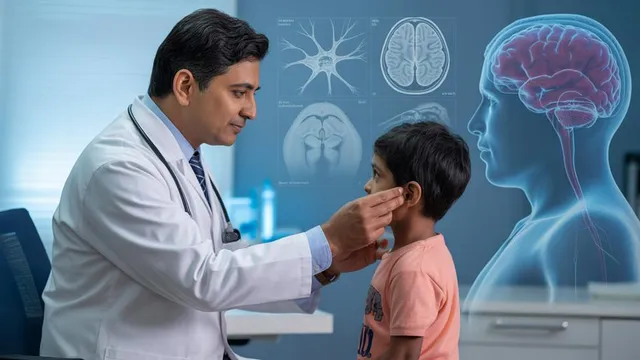
Children need specialised medical attention when they develop blood disorders or conditions that affect their blood cells and bone marrow. Understanding hem onc care helps parents recognise the importance of timely diagnosis, appropriate treatment, and regular medical monitoring. If a child also experiences seizures, developmental concerns, or other neurological symptoms, consulting a pediatric neurologist hyderabad can help address those separate health concerns. However, blood disorders and childhood cancers require assessment by a paediatric hematologist-oncologist, who understands the specific medical needs of growing children.
What Does Pediatric Hem Onc Care Involve?
Paediatric hematology and oncology is a medical speciality focused on diagnosing and managing blood disorders and childhood cancers. Specialists providing hem onc care assess each child's symptoms, medical history, test results, and overall health before recommending a treatment plan. Their approach aims to manage the condition while supporting the child's growth, comfort, and emotional well-being.
Common conditions managed through this speciality include:
● Anaemia: A condition in which the body has insufficient healthy red blood cells or haemoglobin.
● Thalassemia: An inherited blood disorder that affects haemoglobin production.
● Sickle Cell Disease: An inherited condition that changes the shape and function of red blood cells.
● Haemophilia: A bleeding disorder that affects the blood's ability to clot properly.
● Leukaemia and Lymphoma: Cancers affecting blood-forming tissues or the lymphatic system.
Although these conditions affect the blood or related tissues, their severity and treatment requirements differ. Therefore, an accurate diagnosis is essential before treatment begins.
Recognising Warning Signs in Children
Parents often notice changes in their child's energy, appetite, behaviour, or general health before a medical condition is diagnosed. While these symptoms can have many causes, persistent or unexplained changes deserve medical attention.
Symptoms That Should Not Be Ignored
Some signs associated with blood disorders or childhood cancers include:
● Persistent tiredness, weakness, or unusual paleness.
● Frequent infections or fever without a clear explanation.
● Unexplained bruising, nosebleeds, or bleeding gums.
● Persistent bone or joint pain.
● Unexplained weight loss or poor weight gain.
● Swollen lymph nodes or an unusual lump.
These symptoms do not automatically indicate cancer. However, a paediatrician can evaluate the child and recommend further tests when necessary.
Families may also seek a pediatric neurologist hyderabad when a child experiences symptoms such as repeated seizures, unusual movements, or developmental difficulties. Neurological assessment serves a different purpose from blood disease evaluation, although some complex conditions may require coordinated care from several specialists.
How Childhood Blood Diseases Are Diagnosed
An accurate diagnosis helps doctors understand the underlying condition and determine which treatments may be appropriate. The process depends on the child's symptoms, medical history, examination findings, and suspected diagnosis.
Tests That Help Identify The Condition
Doctors may recommend different investigations depending on the clinical situation.
● Complete Blood Count: This test measures red blood cells, white blood cells, and platelets.
● Peripheral Blood Smear: A laboratory specialist examines blood cells to identify unusual shapes, sizes, or appearances.
● Bone Marrow Examination: When necessary, this helps doctors investigate certain blood disorders and cancers.
● Genetic Testing: Selected tests can help identify inherited conditions or specific changes associated with particular diseases.
● Imaging Tests: Ultrasound, MRI, or other imaging may be used when doctors need to investigate swelling, lumps, or suspected tumours.
Not every child requires every test. The treating specialist decides which investigations are necessary based on the available clinical information.
A coordinated hem onc evaluation can help families understand what the results mean and why additional investigations may be recommended. Doctors should explain the purpose of each test and discuss the next steps with parents or guardians.
Treatment Options And Individualised Care
Treatment depends on the specific diagnosis, its severity, the child's age, and overall health. Some blood disorders can be managed with medication and monitoring, while others require more intensive treatment.
Approaches Used In Pediatric Treatment
Depending on the condition, treatment may include:
● Medication: Medicines can help manage symptoms, correct deficiencies, or control particular blood disorders.
● Blood Transfusions: These may be necessary for certain cases of severe anaemia or low blood cell counts.
● Chemotherapy: Doctors may use chemotherapy to treat leukaemia, lymphoma, and other cancers when indicated.
● Targeted Treatment: Certain medicines act on specific biological changes involved in a disease.
● Stem Cell Transplantation: Selected blood cancers and serious blood disorders may require a bone marrow or stem cell transplant.
Families looking for a top pediatric neurologist in Hyderabad should consider the child's actual medical needs. A neurologist treats conditions affecting the brain, spinal cord, nerves, and related functions; a blood disorder or childhood cancer should be assessed by the appropriate hematology-oncology specialist. When a child has concerns involving both systems, the doctors may coordinate care.
Supporting Children During Their Treatment Journey
Medical treatment is only one part of caring for a child with a serious illness. Hospital visits, investigations, medication schedules, and uncertainty can affect the entire family. Parents can help children cope by maintaining open communication and providing reassurance appropriate to their age.
Practical Ways Parents Can Help
● Explain the Process: Use simple, age-appropriate language to explain appointments and procedures.
● Maintain Healthy Routines: Follow the medical team's advice about nutrition, sleep, school, and physical activity.
● Keep Medical Records: Maintain copies of test results, prescriptions, treatment schedules, and follow-up instructions.
● Communicate With Doctors: Ask questions about possible side effects, warning signs, and when urgent medical attention is necessary.
● Provide Emotional Support: Give children opportunities to express their concerns and seek professional psychological support when needed.
Families receiving hem onc care should also understand the importance of follow-up appointments. Regular monitoring helps doctors assess recovery, manage treatment-related effects, and identify problems that may need further attention.
When neurological concerns arise during the same period, a top pediatric neurologist in Hyderabad may help assess those symptoms separately. Coordination between relevant specialists can make the overall care plan more organised and responsive to the child's needs.
Conclusion
Understanding childhood blood diseases helps parents recognise warning signs and seek appropriate medical advice without unnecessary delay. Specialised hem onccare supports accurate diagnosis, individualised treatment, and ongoing monitoring for children with blood disorders and cancers. With clear communication, family support, and regular follow-up, parents can better navigate the treatment journey and support their child's well-being.
Selecting an appropriate specialist ensures that young patients receive timely, well-coordinated clinical support. At Ankura Hospitals, dedicated paediatric teams offer comprehensive hem onc evaluations for complex blood conditions and childhood cancers. Additionally, parents seeking consultations with a pediatric neurologist hyderabad or finding a top pediatric neurologist in Hyderabad can access specialized care for developmental and neurological concerns. Visiting Ankura Hospitals allows parents to review available healthcare options and determine the most suitable medical path for their child.