Understanding Full Turnkey PCB Assembly
In the rapidly evolving landscape of electronics manufacturing, efficiency and quality are paramount. This is where full turnkey PCB assembly comes into play, offering companies a streamlined process from design to delivery. Full turnkey solutions encapsulate every facet of the PCB creation process, including component sourcing, assembly, testing, and logistics. By opting for a full turnkey approach, manufacturers can mitigate risk, reduce lead times, and ensure a higher degree of control over their production timelines, ultimately leading to faster time-to-market for their products.
What is Full Turnkey PCB Assembly?
Full turnkey PCB assembly refers to a comprehensive service model where a single manufacturer manages the entire production process of printed circuit boards (PCBs). This model typically includes:
- Design and prototyping
- Sourcing of components
- Pcb manufacturing
- Assembly
- Testing and quality assurance
- Final packaging and delivery
The primary advantage of this service model is that it simplifies the supply chain by consolidating multiple processes under one roof, which can lead to significant cost reduction and improved communication between different stages of production.
Key Components of Turnkey Solutions
Understanding the components that make up full turnkey solutions is critical for businesses looking to optimize their PCB assembly process. Here are the essential elements:
- Design and Prototyping: This initial phase involves creating a digital representation of the PCB and developing prototypes to test the design.
- Component Sourcing: The service provider sources all necessary components, ensuring they meet quality standards and are available in the required quantities.
- PCB Manufacturing: This is the production phase where the actual circuit boards are created, typically using state-of-the-art manufacturing techniques.
- Assembly: After manufacturing, the components are assembled onto the PCBs, employing both manual and automated processes.
- Testing: Rigorous testing is performed to ensure the functionality and reliability of the PCB before shipment.
- Logistics and Delivery: Finally, the finished boards are packaged and shipped to the customer or directly to the end user.
Benefits of Choosing Turnkey Services
Opting for full turnkey PCB assembly offers numerous advantages:
- Cost Efficiency: By consolidating various processes, companies can save on overhead costs associated with managing multiple suppliers.
- Faster Time to Market: Turnkey solutions accelerate the production timeline, allowing companies to launch products more swiftly.
- Enhanced Quality Control: With a single point of responsibility, quality assurance becomes more manageable and effective.
- Simplified Communication: Direct communication with one supplier reduces misunderstandings and streamlines the decision-making process.
- Scalability: Turnkey providers can easily adapt to shifts in demand, allowing companies to scale their production as needed.
Choosing the Right Provider
When embarking on the journey to find the ideal PCB assembly partner, several factors come into play. The right provider should align with your company’s needs regarding quality, cost, and turnaround times.
Evaluating PCB Assembly Companies
Consider the following when evaluating potential PCB assembly companies:
- Experience: Look for providers with a solid track record in the industry.
- Certifications: Ensure the company adheres to international quality standards such as ISO 9001 or IPC certification.
- Customer Reviews: Seek feedback from past clients to gauge satisfaction and reliability.
- Technical Capabilities: Confirm that the provider has the necessary technology and expertise to meet your specific assembly needs.
Understanding Cost Factors
The cost of full turnkey PCB assembly can vary widely based on several factors, including:
- Complexity of Design: More complex designs typically require higher labor and material costs.
- Volume of Production: Larger orders often benefit from economies of scale.
- Component Selection: Prices can fluctuate based on the components' brand, specifications, and sourcing challenges.
- Lead Times: Urgent orders may incur additional rush fees.
Comparing Service Offerings
Not all turnkey PCB assembly services are created equal. It’s essential to compare offerings based on:
- Included services—some may offer additional features like design assistance or after-sales support.
- Technology used in production—advanced machinery can improve quality and speed.
- Geographical advantages—local providers may reduce shipping times and costs.
Step-by-Step Turnkey PCB Assembly Process
Understanding the detailed process behind full turnkey PCB assembly can help you appreciate its complexities and advantages.
Phase 1: Design and Prototyping
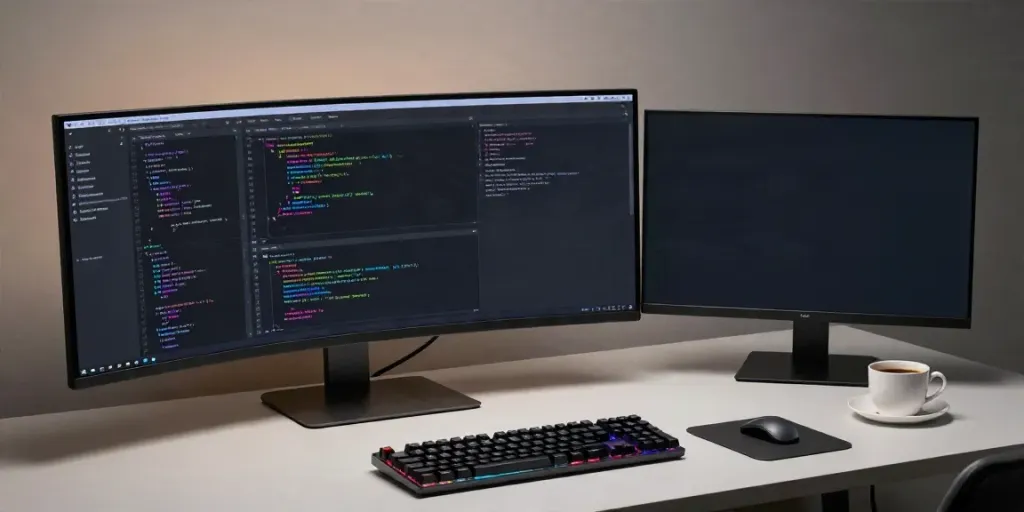
This critical phase involves converting your concept into a tangible PCB design. Engineers use software tools to draft the design, followed by creating prototypes that allow for functional testing and adjustments.
Phase 2: Sourcing Components
Once the design is validated, the next step is sourcing the components. This phase might involve finding reliable suppliers, negotiating prices, ensuring component availability, and managing supply chain logistics to mitigate any risks of delays.
Phase 3: Assembly and Testing
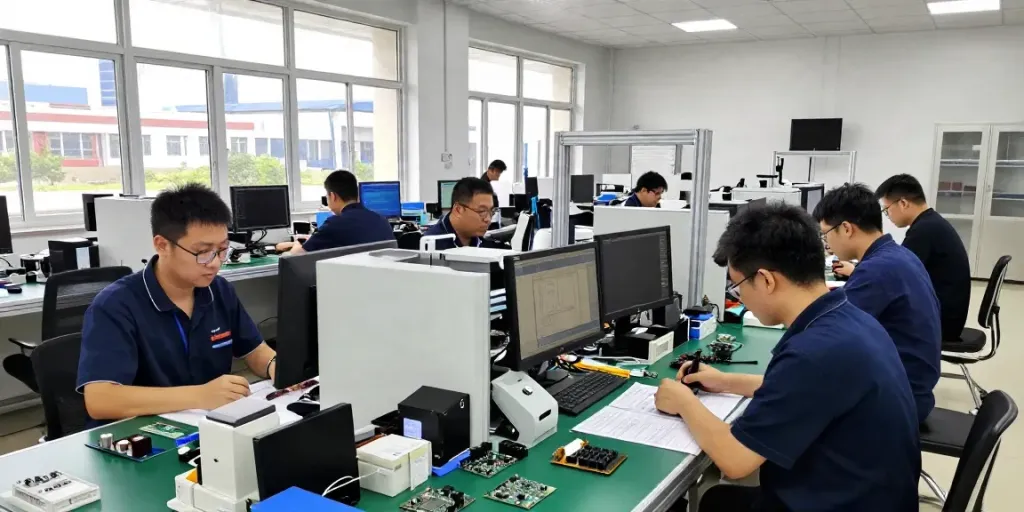
With components in hand, assembly begins. The assembly can be performed using Surface Mount Technology (SMT), Through-Hole Technology (THT), or a combination of both. Comprehensive testing follows the assembly to ensure functionality, reliability, and compliance with industry standards.
Common Challenges in Full Turnkey PCB Assembly
While the benefits of full turnkey PCB assembly are significant, challenges do exist that must be managed effectively.
Addressing Quality Control Issues
Implementing stringent quality control measures throughout the assembly process is vital. This can include regular inspections, automated testing solutions, and adherence to industry standards to ensure the highest product quality.
Managing Tight Deadlines
Manufacturers often face tight deadlines that can strain operations. Having a well-defined schedule, regular progress updates, and flexibility in the production process can help mitigate these pressures.
Mitigating Supply Chain Risks
Supply chain disruptions can significantly impact production timelines. Building relationships with multiple suppliers, maintaining buffer stock, and having contingency plans in place are strategies that can help manage potential risks.
Future Trends in PCB Assembly
The landscape of PCB assembly is continually evolving, driven by technological advancements and market demands.
Technological Innovations in Manufacturing
Emerging technologies like AI, machine learning, and automation are shaping the future of PCB assembly. These innovations can lead to increased efficiency, reduced errors, and enhanced quality in production.
Sustainability Practices in PCB Production
As environmental consciousness rises, more manufacturers are integrating sustainable practices. This includes using eco-friendly materials, energy-efficient processes, and responsible waste management practices.
Emerging Markets and Opportunities by 2026
By 2026, the demand for advanced electronics is expected to grow, particularly in sectors like automotive, healthcare, and IoT. Companies that can adapt their turnkey solutions to cater to these markets will be well-positioned for success.
What are the benefits of full turnkey PCB assembly?
Full turnkey PCB assembly streamlines the entire production process, reduces costs, enhances quality control, and accelerates product time to market. By consolidating services under one provider, manufacturers can manage their supply chain more effectively and reduce the risk of errors.
How does turnkey PCB assembly differ from partial assembly?
Turnkey PCB assembly covers the entire manufacturing process from design to delivery, while partial assembly may only include specific stages, requiring the client to manage additional steps such as component sourcing or testing independently.
What should I consider when selecting a PCB assembly partner?
Evaluate potential partners based on their experience, reputation, quality standards, technical capabilities, and the range of services they offer. It's also essential to assess their communication practices and customer support.
What are the typical timelines for a turnkey PCB project?
Project timelines can vary based on complexity and volume, but a typical full turnkey PCB assembly can take anywhere from a few weeks to a couple of months, including design, sourcing, assembly, and testing phases.
How can I ensure quality control in my PCB assembly?
Implement a robust quality assurance process that includes regular inspections, adherence to industry standards, and comprehensive testing at each stage of production. Working with a reputable turnkey provider with established quality control protocols can also enhance outcomes.