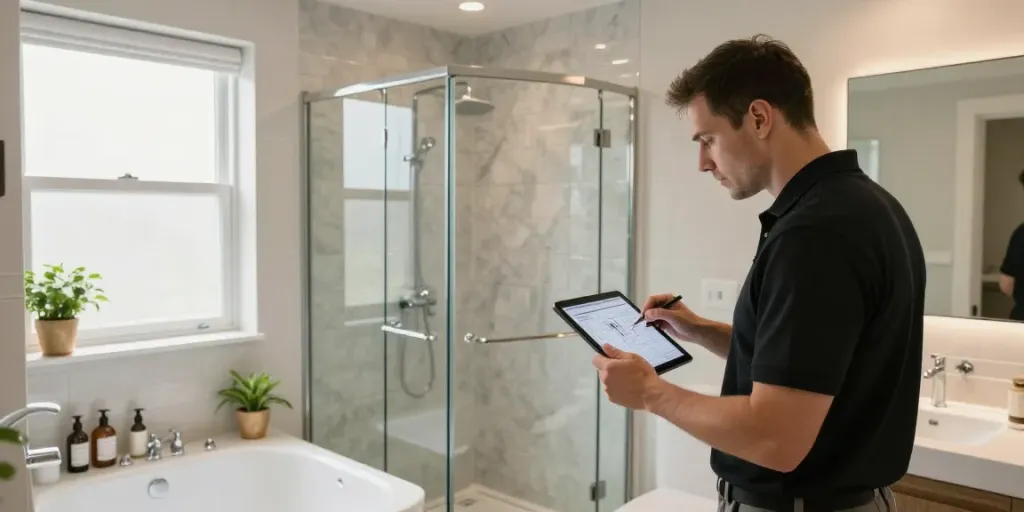
Understanding Custom Home Builders’ Strategies
Building a custom home is a journey that requires not just ambition, but also a clear understanding of the strategies employed by custom home builders. This involves evaluating the reliability of your building partners, assessing the quality of craftsmanship, and understanding how effective project management can shape the outcome of your dream home. Each element plays a crucial role in ensuring that what starts as a vision not only becomes a reality but exceeds your expectations.
Identifying Reliable Building Partners
Choosing a custom home builder is one of the most significant decisions you will make. It involves researching potential candidates to find those with a sound reputation and proven track record. Look for reviews, ratings, and case studies to evaluate the builders' past projects. A reliable builder should not only showcase beautiful homes but also offer testimonials from satisfied clients.
Assessing Building Quality and Craftsmanship
The quality of construction materials and techniques directly impacts the long-term value and durability of your home. Custom builders should provide detailed insights into the materials they use and demonstrate their craftsmanship through examples or tours of previous projects. Pay attention to the details, as these are often what separate high-quality homes from mediocre ones.
Examining Project Management Practices
Effective project management is the backbone of a successful custom home build. Evaluate how builders plan, schedule, and execute each phase of construction. Clear communication, updating progress, and addressing concerns proactively are essential traits of a competent project manager. These practices not only assure clients but also contribute to maintaining timelines and budgets.
Recognizing Red Flags in Contractor Communication
Effective communication between clients and contractors is pivotal during the home-building process. Understanding the signs of poor communication helps in avoiding pitfalls that can lead to frustration and delays. A good builder should prioritize keeping you informed and engaged, ensuring that you are always aware of the project's status and any challenges that may arise.
Signs of Poor Communication
Indicators of poor communication from contractors include delays in response, lack of transparency regarding decisions, or failure to provide updates about construction milestones. If you find yourself frequently needing to chase for information, it may be time to reconsider your choice of builder.
Understanding Contract Clarity Issues
Contracts should outline every aspect of the build, including timelines, costs, and specific tasks. If a contract is vague or loaded with jargon that is hard to understand, it could lead to misunderstandings. Ensure that your contract includes clear definitions of terms and conditions governing the project.
Common Client Management Pitfalls
Some builders may mismanage client expectations, leading to disappointment when results don’t match the vision. Be wary of builders who overpromise or fail to deliver on critical aspects of the project. Look for contractors who maintain realistic timelines and budget projections right from the start.
Evaluating Custom Home Builders' Financial Transparency
Financial transparency is vital when engaging a custom home builder. Understanding the financial implications upfront can prevent unpleasant surprises during the project. A professional builder should provide a detailed quote and outline any potential additional costs that may arise.
Importance of Detailed Quotes
A detailed quote provides clarity on what is included in the construction project and what costs to expect. It should break down expenses for labor, materials, and permits, allowing you to budget effectively. Always request a breakdown of costs to avoid hidden fees later in the building process.
Hidden Costs and Their Impact
Hidden costs can often derail your budget, turning your dream project into a financial strain. Be cautious of builders who do not offer clear explanations of cost projections. Items such as site preparation, foundation adjustments, and unexpected structural changes can add up quickly if not accounted for initially.
Strategies for Budget Management
Set a realistic budget before commencing your project and communicate it clearly to your builder. Establish an allowance for overages that could arise and agree on what constitutes necessary additional spending. Regularly review progress against your budget to ensure you remain on track throughout the construction process.
Discovering Innovation in Custom Home Building
Innovation plays a significant role in contemporary home building, significantly increasing both efficiency and sustainability. Being aware of the latest advancements in construction technology can enhance the design and functionality of your home, providing benefits that last for years to come.
Utilizing Modern Technology
Today's builders often incorporate technology in various ways, from building information modeling (BIM) to 3D printing. Such innovations not only streamline the building process but also contribute to precision, ensuring that your home is constructed to your exact specifications.
Sustainable Building Practices to Consider
With growing awareness of environmental issues, many custom builders now offer sustainable building options. Consider utilizing energy-efficient materials and systems that minimize your carbon footprint. These choices not only benefit the planet but also enhance the livability and long-term value of your property.
Trends in Custom Design and Aesthetics
Staying attuned to trends in custom home design allows you to create a space that reflects contemporary aesthetics while also meeting your lifestyle needs. Prominent trends include open floor plans, smart home technology, and sustainable materials, all of which contribute to both functionality and beauty.
Success Stories: Learning from Experience
One of the best ways to set realistic expectations for your custom home is by examining success stories from other clients. Testimonials and case studies can provide you with valuable insights into what works and what to avoid during the building process.
Client Testimonials for Successful Builds
Seek out testimonials that highlight not just the outcomes but also the journey of the build. Look for feedback about communication, project management, and satisfaction over time. This information can help you gauge the level of service and quality you can expect from prospective builders.
Case Studies of Winning Project Elements
Review case studies of successfully completed homes to understand which design elements resonate most with clients. Analyzing these examples can inspire your ideas while offering practical insights into the types of requests that yield the best results.
How to Implement Best Practices in Your Build
Keep the lessons learned from successful builds in mind as you plan your project. Collaborate closely with your builder to adapt these insights to your unique preferences, balancing creativity with industry standards to achieve the best outcomes.