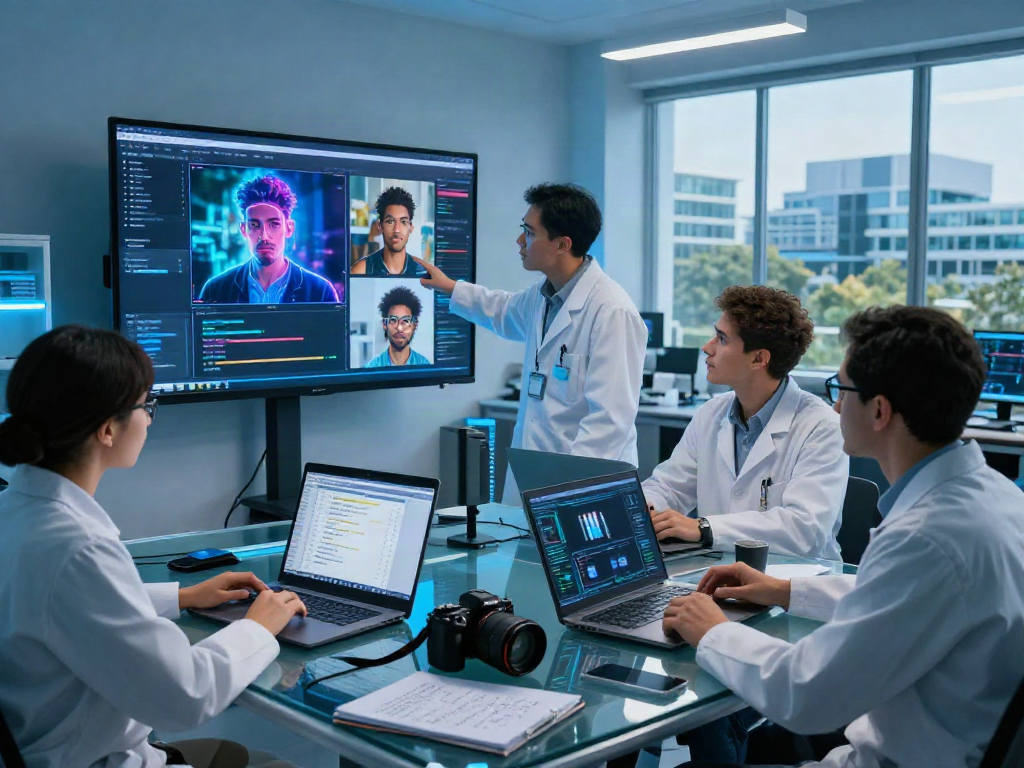
The Importance of AI Image Detection in Today's Digital Landscape
In an era where visual content dominates online interactions, the presence of AI-generated images has surged dramatically. This technological evolution brings both innovative possibilities and significant challenges to various industries. With the rise of AI image generators capable of creating hyper-realistic visuals, the need for reliable AI Image Detection tools has never been more critical. These tools help maintain the integrity of digital content, enabling users to discern between authentic visuals and synthetic media.
Understanding AI Image Detection Technology
AI image detection technology leverages advanced algorithms and machine learning techniques to analyze and categorize images based on their origin. By recognizing patterns and anomalies common in AI-generated imagery, these systems can effectively determine the authenticity of visual content. This is particularly crucial as the technology behind image generation continues to evolve, making it increasingly challenging to differentiate between real and artificially constructed images.
Key Use Cases and Applications for Various Industries
AI image detection serves a multitude of industries, each with unique requirements. Here are some notable applications:
- Journalism: News organizations utilize AI detection tools to verify the authenticity of images before publication, ensuring that misinformation does not spread.
- Marketing: Brands can safeguard their reputation by verifying that promotional images are not manipulated or AI-generated, which could mislead customers.
- Education: Educational institutions employ these tools to ensure the integrity of visual materials used in academic settings, promoting critical thinking among students.
- Social Media: Platforms are increasingly integrating AI detection systems to combat misinformation and maintain a trustworthy user environment.
The Necessity of Authenticity in Visual Content
The demand for authenticity in visual content has escalated, as audiences become more savvy and discerning. The implications of using AI-generated images without proper labeling can lead to significant trust issues between consumers and brands. With AI image detection, organizations can uphold their credibility by providing transparency about the origins of their visuals.
Current Challenges in AI Image Detection
Common Misconceptions About AI Detection Accuracy
Despite the advancements in AI image detection, there are prevalent misconceptions regarding the technology's accuracy. Many believe that these tools can guarantee 100% reliability; however, the reality is that they often operate within specific parameters and may misidentify images. Misunderstanding these limitations can lead to overconfidence in the technology.
Technical Limitations and False Positives
Technical limitations present another challenge in this field. False positives—instances where the detector indicates an image is AI-generated when it is not—can undermine the credibility of the detection tools. Factors such as image quality, resolution, and context can influence the detection results, leading to inaccuracies that could have serious consequences in sensitive applications.
Mitigating Risks of Misinformation and Deepfakes
The rise of deepfake technology has revolutionized the creation of manipulated media, making it increasingly difficult to trust visual content. As organizations strive to protect themselves from the risks associated with misinformation, incorporating AI image detection into their workflows is essential. This enables them to quickly identify and address potential threats, protecting their audience from misleading information.
Best Practices for Implementing AI Image Detection Solutions
Choosing the Right AI Detection Tools
Selecting the appropriate AI detection tool is crucial for operational efficiency. Organizations should consider factors such as the technology’s performance, integration capabilities, and user-friendliness. Furthermore, reading reviews and conducting pilot tests can help in making informed decisions.
Integrating AI Image Detection into Workflows
To maximize the benefits of AI detection tools, businesses must thoughtfully integrate them into their existing workflows. Establishing clear protocols for image verification, along with designated team members responsible for oversight, can streamline the process and enhance overall effectiveness.
Training Staff on Image Detection Best Practices
Investing in training for staff on how to effectively use AI image detection tools is essential. Comprehensive training sessions should focus on identifying potential pitfalls, understanding the technology’s limitations, and recognizing the context in which it is deployed. An informed team is pivotal in leveraging AI detection to its fullest potential.
Evaluating the Effectiveness of AI Image Detection Tools
Metrics for Success in Image Detection
Evaluating the success of AI image detection tools involves analyzing various metrics. Key performance indicators (KPIs) such as accuracy rate, speed of detection, and user satisfaction can provide insights into the tool's effectiveness. Establishing these benchmarks will assist organizations in fine-tuning their approach to image verification.
Case Studies Demonstrating Successful Implementations
Real-world examples serve as powerful testimonies to the effectiveness of AI image detection. For instance, a leading news agency adopted an AI detection tool that reduced the incidence of misinformation by over 70% within six months of implementation. Such success stories illustrate the tangible benefits of these technologies.
Feedback Loops: Improving AI Performance over Time
Incorporating feedback loops is essential for the continual improvement of AI image detection tools. Regularly collecting feedback from users about the tool's performance allows developers to refine algorithms and enhance accuracy. This iterative process is critical for adapting to the rapidly evolving landscape of digital content.
Future Trends in AI Image Detection for 2026 and Beyond
Emerging Technologies Impacting Image Detection
The future of AI image detection is closely linked to advancements in artificial intelligence, machine learning, and computer vision. Emerging technologies such as quantum computing promise to enhance processing capabilities, potentially revolutionizing the speed and accuracy of image detection.
Predictions for the Evolution of Image Authenticity
As technology continues to advance, the concept of image authenticity will evolve. Innovations in blockchain and digital watermarking may provide robust solutions for verifying image origins, adding an extra layer of security and trust for audiences.
Strategic Insights from Industry Experts
Industry experts predict that the integration of AI image detection tools will become standard practice across all sectors. As public awareness of deepfakes and AI-generated content grows, organizations that proactively adopt and promote transparency through these tools will stand to gain a competitive edge.
What are the benefits of AI Image Detection?
The benefits of AI image detection are multifaceted. They include enhanced credibility, improved ability to combat misinformation, and increased operational efficiency across various sectors. These tools not only provide quick verification but also assist in building trust with consumers.
How can businesses improve their image detection accuracy?
Businesses can improve their image detection accuracy by investing in high-quality detection tools, continuously training staff, and integrating user feedback into their operational models. Additionally, staying updated with the latest advancements in AI technology can help maintain a competitive edge.
What industries benefit the most from AI image detection?
Industries such as journalism, social media, e-commerce, and education benefit immensely from AI image detection. These sectors often deal with large volumes of visual content and face significant risks related to misinformation and content authenticity.
Are there limitations to AI Image Detection technology?
Yes, while AI image detection technology has made remarkable strides, it still has limitations. Issues such as false positives and the potential for misunderstanding context can affect the reliability of results. Continuous improvements and updated algorithms are necessary to address these shortcomings.
What are the future trends in the AI image detection landscape?
Future trends in AI image detection will likely encompass more sophisticated algorithms, integration with blockchain technology for authenticity verification, and enhanced user interfacing to facilitate easier access to these tools. Additionally, as regulations around digital content evolve, AI image detection will adapt to meet new legal requirements.