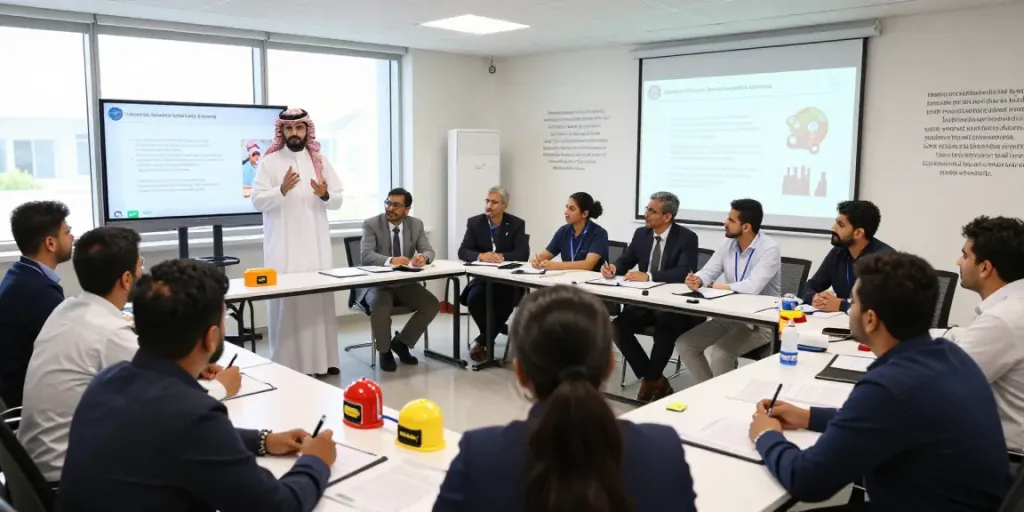
Understanding the Role of a Training Institute in Saudi Arabia
In Saudi Arabia, the importance of professional development and continuous learning has become increasingly recognized as essential not only for individual career advancement but also for organizational growth. Training institutes play a pivotal role in this landscape, providing structured educational programs that enhance the skills, knowledge, and competence of professionals across various industries. In particular, Health, Safety, and Environmental (HSE) training modules offered by these institutes are critical for compliance with national regulations and international standards. When exploring options, Training Institute Saudi Arabia provides comprehensive insights into the numerous courses available.
Importance of Health and Safety Training for Professionals
Health and safety training is not merely a regulatory requirement; it is a moral obligation for employers to ensure the safety of their workers. A robust health and safety training program significantly reduces workplace incidents, enhances employee productivity, and fosters a culture of safety that permeates every level of an organization. Furthermore, professionals equipped with health and safety qualifications are more likely to contribute positively to their workplaces, helping to mitigate risks and manage emergencies effectively.
Key Certifications Offered by Training Institutes
Saudi Arabia's training institutes offer a variety of certifications that cater to the diverse needs of different sectors. The most sought-after certifications include:
- NATIONAL FIRE PROTECTION ASSOCIATION (NFPA) certifications for fire safety
- NVQ LEVEL 6 Diploma in Occupational Health and Safety Practice
- PROQUAL Level 7 Diploma in Strategic Health and Safety Leadership and Management
- ISO certifications such as ISO 9001:2015 for Quality Management Systems and ISO 45001:2018 for Occupational Health and Safety Management Systems
- Various HABC-approved courses, including First Aid and Fire Safety
Industry Standards and Compliance Requirements
The regulatory framework in Saudi Arabia demands that organizations comply with a plethora of health, safety, and environmental regulations. Training institutes provide not only the knowledge required to understand these regulations but also practical guidance on how to implement them effectively. This ensures that organizations can meet both local and international requirements, thus enhancing their credibility and reliability in the market.
Choosing the Right Training Institute in Saudi Arabia
With a plethora of options available, selecting the most suitable training institute can prove challenging. It's essential to assess various aspects of the institutes to ensure they align with your training needs.
Factors to Consider When Selecting a Training Provider
When evaluating potential training providers, consider the following factors:
- Accreditation: Ensure the institute is accredited by recognized bodies.
- Instructor Qualifications: Check the background and experience of the trainers.
- Course Content: Review the syllabus to confirm it meets your professional development needs.
- Flexibility: Consider institutes that offer on-site training or online modules for convenience.
- Reputation: Research feedback and testimonials from past participants.
Comparison of Leading Training Institutes
Leading institutes such as Burraq Consulting, Asas Training, and Leon Training offer varying specifications and advantages. Burraq Consulting, for instance, has established a strong reputation for delivering internationally recognized HSE certifications, which are crucial for professionals in the oil and gas sector. In contrast, Asas Training excels in HR and management courses, catering to a wider array of professional development needs.
Accreditation and Recognition in the Industry
Accreditation from organizations like ProQual (UK) and the National Fire Protection Association (NFPA) serves as a benchmark for quality and credibility. Institutions recognized by these bodies are perceived as reliable sources of knowledge and skill development, leading to better job prospects for graduates.
Core Programs Offered by Top Training Institutes
Training institutes in Saudi Arabia have crafted distinct programs tailored to various sectors, ensuring that professionals acquire relevant skills and certifications that enhance their employability.
Overview of HSE Training Certifications
HSE training programs are designed to equip professionals with the necessary tools to manage health and safety risks effectively. Key offerings include:
- Nebosh certifications for robust health and safety training.
- IOSH Managing Safely course, which focuses on practical health and safety management.
- Specific courses on fire safety and risk assessment techniques.
ISO Certifications and Their Significance
ISO certifications are vital in establishing systematic approaches to quality, safety, and environmental management. These qualifications not only enhance an organization's operational efficiency but also improve its competitiveness in the global market. ISO 14001:2026 for Environmental Management Systems is one such example that helps organizations minimize their environmental impact.
Specialized Courses for Different Sectors
Specialization is key in today’s job market. Training institutes offer tailored programs, such as:
- Electrical Safety for professionals in the electrical engineering sector.
- Hazardous Materials (HAZMAT) Safety for those working with dangerous substances.
- Behavior-Based Safety courses that focus on improving safety culture within organizations.
Best Practices for Effective Learning in Training Programs
To maximize the effectiveness of training programs, several best practices should be employed, both by educators and learners.
Engaging Teaching Methods and Techniques
Incorporating diverse teaching methodologies, such as interactive workshops, simulations, and real-world case studies, significantly boosts participant engagement. This keeps learners interested and encourages them to apply what they've learned in practical scenarios.
Utilizing Technology in Training Delivery
Technology integration, such as e-learning platforms and mobile training apps, allows for greater flexibility and accessibility. Hybrid training models that combine online learning with in-person interactions can enhance the learning experience.
Assessment and Evaluation of Competence
Regular assessments through quizzes, practical tests, and feedback sessions help gauge learner understanding and retention. Additionally, implementing a certification process ensures that competencies are validated officially, providing added value to the training.
Future Trends in Training Institutes within Saudi Arabia
As the training landscape evolves, several emerging trends are expected to shape the future of education in Saudi Arabia.
Emerging Technologies Impacting Training Methods
Virtual reality (VR) and augmented reality (AR) are poised to revolutionize training methodologies, especially in high-risk environments. These technologies can simulate real-life scenarios, providing learners with hands-on experience without actual risk.
Regulatory Changes and Their Implications
As government regulations regarding health and safety become more stringent, training requirements will undoubtedly follow suit. Training institutes must stay ahead by continuously updating their course offerings to comply with new regulations.
Predictions for the Training Landscape in 2026 and Beyond
By 2026, we expect a greater emphasis on personalized learning paths, where training can be tailored to individual needs based on career goals and learning styles. Furthermore, the integration of artificial intelligence (AI) in training programs could enable institutions to provide real-time feedback and personalized learning experiences.
What Are the Benefits of Enrolling in a HSE Training Course?
Enrolling in a HSE training course not only enhances your skills but also improves employability prospects. Many organizations prioritize hiring individuals with recognized safety qualifications, making this an advantageous investment for your career.
What to Expect in Terms of Course Duration and Content?
Course durations can vary widely; standard programs may last from a few days to several weeks, depending on the depth of the curriculum. Content typically covers essential safety standards, practical applications, and regulatory compliance.
How Do I Choose Between Online and In-Person Training?
The choice between online and in-person training depends on personal learning preferences, schedule flexibility, and the level of interaction desired. Both methods have their unique advantages: online training provides convenience, while in-person training offers direct engagement with instructors and peers.
What Certifications Are Most Valued in the Job Market?
Certifications such as NEBOSH, IOSH, and ISO qualifications are among the most revered in the job market, particularly in industries that heavily emphasize safety standards. Having these certifications can significantly enhance a candidate's appeal to employers.
How Can I Stay Updated with Industry Changes After Training?
Staying current with industry standards can be achieved through continuous education, attending workshops, subscribing to relevant journals, and participating in professional networks. Engaging with professional communities allows for networking and knowledge sharing among peers.