Understanding the Technology Behind Age Estimation
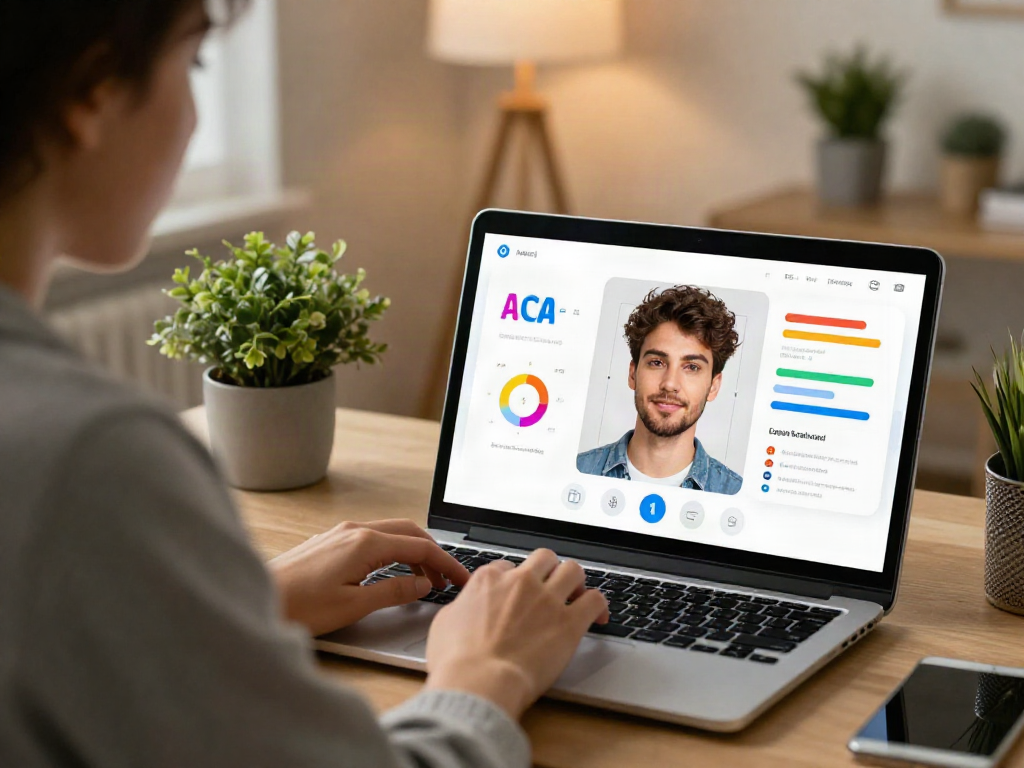
With advancements in artificial intelligence, determining how old one looks has transitioned from guesswork to scientific estimation. Numerous platforms now offer users the ability to upload a photo and receive an age estimation based on facial features. These innovations blend complex algorithms with machine learning, making age estimation more accessible than ever. For example, when exploring options, how old do i look provides comprehensive insights into how these technologies operate.
What is AI Facial Recognition?
AI facial recognition technology focuses on identifying and verifying individuals based on their facial features. This technology captures a multitude of points on a face, creating a unique facial signature. Algorithms analyze these points to determine identity, age, gender, and even emotional states. Over the years, this technology has improved drastically, thanks to deeper neural networks and massive datasets of facial images that train these algorithms to recognize patterns associated with aging.
How Age Detection Algorithms Work
Age detection algorithms function through a series of steps that involve image processing and machine learning. Initially, an image is pre-processed to ensure optimal clarity and lighting. These algorithms then analyze specific features such as wrinkles, skin texture, and facial volume to estimate the perceived age. Advanced models may also consider demographic data that correlates with particular age groups, enhancing accuracy. This process often involves training on datasets that span various ages and ethnicities, ensuring the model's performance is robust and inclusive.
Accuracy of Age Estimation Tools
While many age estimation tools claim high accuracy, the effectiveness can vary significantly depending on the underlying algorithm and quality of input images. A study indicated that AI could predict facial age within a few years of actual age with a surprising degree of reliability. However, it's essential to remember that factors such as heavy makeup, facial expressions at the time of the photograph, and even lighting conditions can skew results. Users should approach these tools as fun estimates rather than definitive conclusions about their perceived age.
How to Optimize Your Photo for Best Results
To achieve the most accurate age estimation, it’s crucial to follow some best practices for photography. The quality of your image plays a vital role in how the algorithms will interpret your facial features.
Proper Lighting and Background
Lighting can significantly influence how your facial features appear in a photograph. Natural light is typically the best option for clarity and detail, as it minimizes shadows and highlights that can distort age perception. Aim for a soft-lit environment, preferably outdoors during the golden hour. Additionally, a simple and uncluttered background allows the age detection algorithm to focus solely on your face, enhancing accuracy.
Facial Expressions That Influence Age Perception
Your facial expression at the time a photograph is taken can influence how old you appear. A natural, relaxed expression generally yields a more accurate age assessment than exaggerated expressions like smiles or frowns, which can make you look younger or older, respectively. Therefore, when taking a photo for age estimation, consider maintaining a neutral expression to capture your true age.
Choosing the Right Angle for Your Selfie
Different angles can enhance or obscure features that are crucial for age estimation. Ideally, photographs should be taken from straight on—this angle allows the algorithms to assess key features uniformly. Avoid extreme angles (high or low) as they can distort facial structures, leading to inaccurate results. Remember, the goal is to present a clear view of your face that reflects your natural appearance.
Comparing Different Age Estimation Apps
With a plethora of apps available for age estimation, it’s important to compare features and read user reviews to choose the right one for your needs.
Features to Look for in Age Estimating Tools
- Image Upload Options: The ability to upload a variety of image types.
- Real-Time Scanning: Some apps can analyze live images through a camera feed.
- Privacy Features: Look for apps that ensure your data remains secure and anonymous.
- User Customization: Tools that allow you to tweak settings for better accuracy can be beneficial.
User Reviews and Accuracy Ratings
User feedback is invaluable when assessing the reliability of age estimation tools. Look for apps with high ratings and detailed reviews that highlight their performance. Many platforms will display aggregate ratings based on user experiences, providing insight into the accuracy one might expect.
Cost vs. Benefits: Free vs. Paid Apps
While many free applications exist that provide age estimation, the features can be limited compared to paid versions. Evaluate the cost against the functionality offered; choose an app that meets your needs without overspending. Testing a few free options can help you gauge if a paid service will offer added value.
Common Misconceptions About Age Prediction
Despite the advancements in technology, misconceptions about age estimation tools persist. Understanding these can help users set realistic expectations.
Can You Truly Trust AI Age Estimations?
While AI age estimations can provide fascinating insights, they are not infallible. The technology can be skewed by external factors, leading to varying levels of accuracy. Always approach these estimations with a sense of fun rather than absolute certainty.
Understanding Limitations of Technology
Age estimation tools have inherent limitations. Many algorithms are based on specific datasets that may not fully represent all demographics, meaning results can be biased. Additionally, technological flaws such as misinterpretation of images can contribute to inaccuracies.
Real-life Examples of Misjudgments
There are numerous anecdotal instances where individuals received surprising age estimations that deviated significantly from their actual age. This phenomenon highlights the need for users to consider these tools as entertaining rather than definitive measures of age.
Future Trends in Age Estimation Technology
The future of age estimation technology looks promising, with ongoing innovations set to enhance performance and accessibility.
Innovations Expected by 2026
As machine learning evolves, we can expect more sophisticated algorithms capable of integrating various facial metrics. Improved user interfaces and augmented reality elements may also emerge, providing users with more dynamic experiences.
Integration with Other Health Technologies
Age estimation technology may see integration with health monitoring systems, where facial analysis contributes to overall health assessments. This combination could result in more comprehensive tools that assess biological age in tandem with lifestyle factors.
How Age Prediction May Evolve
Future predictions could involve personalized age estimation insights based on historical data and other biometric markers. This evolution may provide users with tailored recommendations for skincare and health regimens that align with their perceived age.
Is AI Age Estimation Accurate?
The accuracy of AI age estimation tools can vary but is steadily improving. As algorithms are refined, the discrepancies between predicted and actual age are expected to diminish. Advances in AI technology will contribute to increasingly reliable outcomes.
Can I Improve How Old I Look?
Users often explore various methods to enhance their appearance and age perception. Simple lifestyle changes, such as maintaining a healthy diet, staying hydrated, and incorporating skincare routines, can influence how old you look. Regular exercise can also play a significant role in maintaining a youthful appearance.
What Factors Influence Age Perception?
Several variables contribute to age perception, including genetics, lifestyle choices, and environmental factors. Additionally, cultural perceptions of aging can affect how individuals gauge age, potentially leading to discrepancies in estimation.
Are Age Estimation Tools Fun or Useful?
Age estimation tools can be both entertaining and informative. They provide users with insights into their appearance within a modern context, often leading to discussions on beauty and aging. However, it’s important to remember that they should not be taken too seriously.
What Are the Best Practices for Age Estimation?
To ensure the best outcomes from age estimation tools, users should follow specific practices, such as uploading high-quality images and selecting neutral expressions. Regularly experimenting with different lighting and angles can also yield varying results, contributing to a more comprehensive understanding of how you are perceived.
Can AI Help with Skincare Routines?
AI technology is increasingly being used to refine skincare routines. By assessing an individual's skin age alongside other facial features, tailored skincare recommendations can be made, potentially leading to better maintenance of one’s perceived age.
How Will Age Prediction Change in the Future?
The future of age prediction is bright, with advancements expected to deliver more personalized and accurate assessments. The integration of AI with other health technologies will likely facilitate a holistic approach to understanding age, health, and appearance.